+39-0669768315
info@womenmediators.net
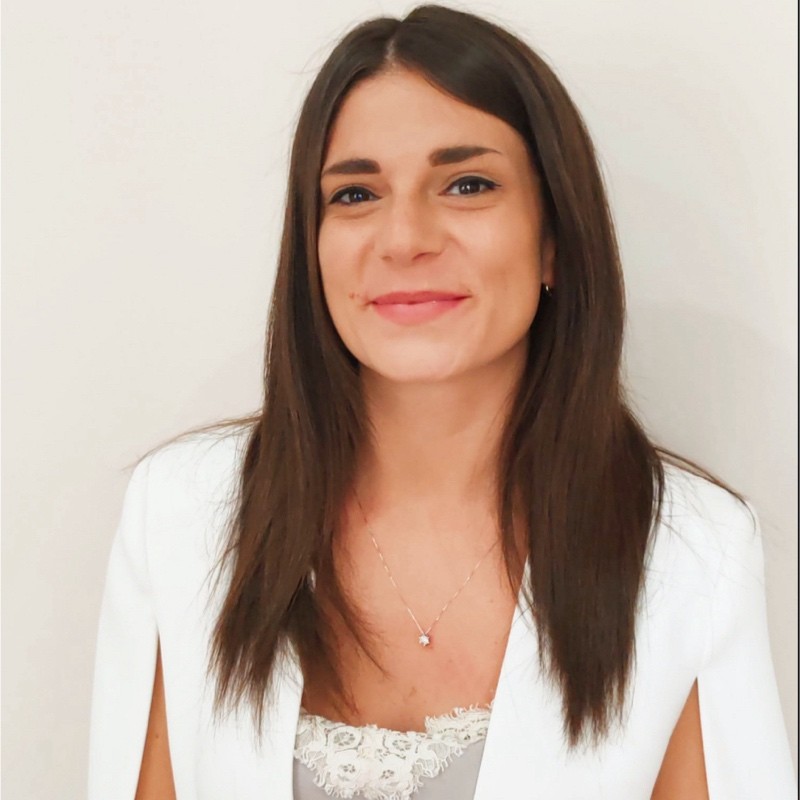
Dr. Stephanie Daher is an independent researcher, specialising in counter-terrorism and the prevention and countering of violent extremism (P/CVE), with a particular focus on the MENA region.
She is also an Associate Fellow at the Royal United Services Institute (RUSI), an ERCOR (European Research Community on Radicalisation) researcher of the EU Knowledge Hub on the Prevention of Radicalisation, where her expertise supports EU policymaking in the areas of radicalisation and violent extremism. Among these, she led the Project-Based Collaboration (PBC) MENA, which enhances cooperation between EU Member States and MENA countries on P/CVE. She has also conducted research on the interlinkages between different forms of violent extremism in the EU.
She holds a PhD in International Relations from the Sant’Anna Advanced School of Studies in Pisa, and master’s degrees in World Politics and International Relations from the University of Pavia, and in Law from the Lebanese University in Beirut. Previously, she was a research fellow at the Centre for Social Sciences Research and Action in Beirut and has conducted extensive fieldwork in Lebanon and Tunisia. Her research experience also includes visiting research periods at the Institute of Middle Eastern and Islamic Studies at Durham University (UK) and Centre D’Etudes Maghrébines in Tunisia.
She has joined the Mediterranean Women Mediators Network to contribute her expertise in radicalisation and conflict prevention to regional peacebuilding initiatives, with a special focus on the Euro-Mediterranean space. With a strong background in counter-terrorism, radicalisation prevention, and policy engagement, she was engaged in numerous policy dialogues and her work consistently promotes inclusive, evidence-based and gender-sensitive approaches to preventing violence and fostering sustainable peace.